Enzymatic recycling for industrial plastics
Envalyx develops enzyme technology designed to convert PA-6/PA-66, polyurethane, and multilayer packaging into reusable chemical building blocks—where mechanical and chemical recycling struggle.
Snapshot
What Envalyx delivers
A fast read on materials, outputs, and how we work with partners before diving into the details below.
Tackling the hardest plastic waste
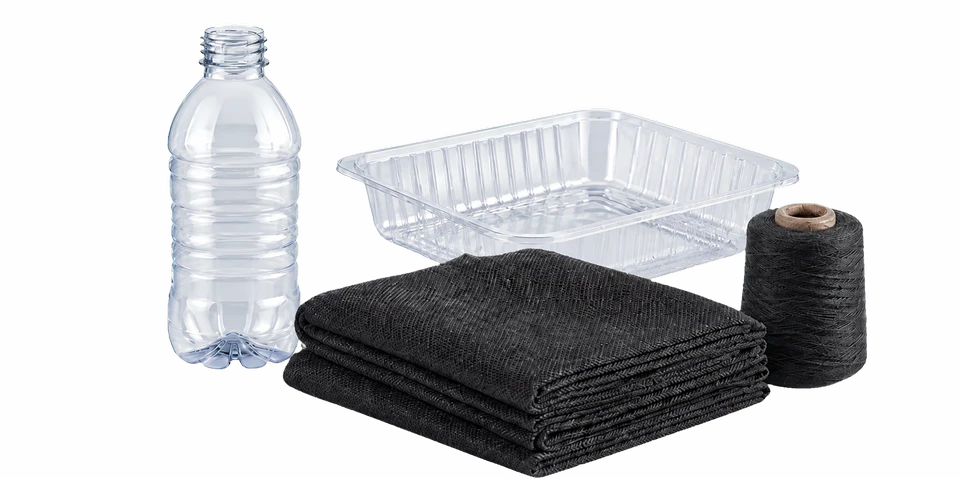
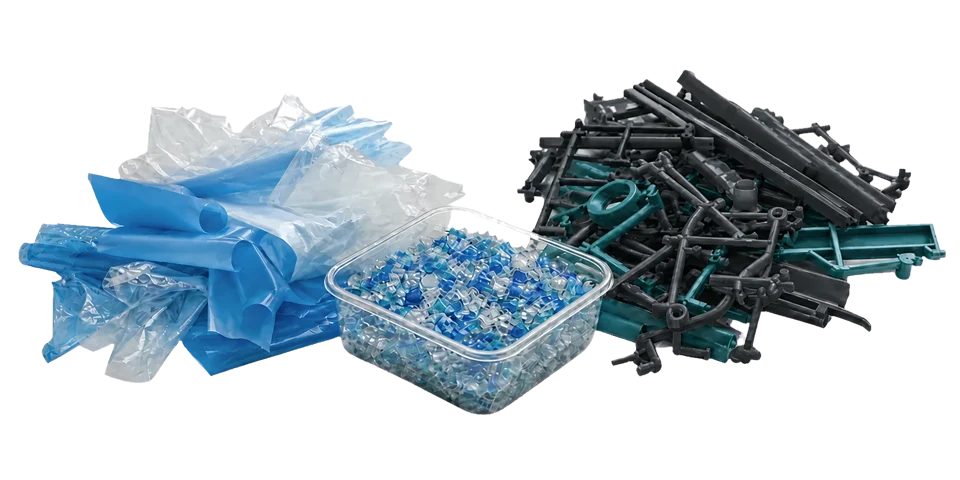
Industrial-grade PA-6/PA-66, polyurethane foams, and complex multilayer films that resist conventional recycling methods.
Hard plasticsChemical-grade intermediates
High-purity monomers and building blocks designed to meet partner remanufacturing specifications.
Quality-firstHow we work with partners
Joint development pilots, feedstock characterization, and technology licensing—tailored to validate enzymatic solutions for your specific waste streams.
Partnership-drivenThe challenge
Why current solutions fail
Mechanical recycling
- PA-66 crystallinity and fillers resist re-melting, leading to brittle downgrades.
- Polyurethane foams scorch and lose performance when reheated.
- Multilayer films stay contaminated with tie layers and barrier chemistries.
Conventional chemical routes
- High temperature and pressure make economics hard for diffuse waste streams.
- Mixed outputs require expensive separations and still leave impurities.
- Energy and solvent intensity undercut the climate benefit of advanced recycling.
Single-enzyme approaches
- One enzyme rarely handles co-monomers, additives, and coatings together.
- Limited access to buried layers or crosslinks slows reaction rates.
- Fragile enzymes struggle at the process conditions needed for industrial waste.
The Envalyx approach
Industrial-scale biocatalytic upcycling
Our proprietary enzyme technology addresses the complexity of real-world plastic waste streams, delivering economically viable pathways to high-purity chemical intermediates. Developed through rigorous substrate analysis and process engineering.
Feedstock characterization
Comprehensive analysis of real-world waste streams to design processes that address actual material complexity, not idealized lab conditions.
Proprietary enzyme systems
Advanced biocatalytic approaches engineered for compatibility with industrial substrates and product specifications.
Process optimization
Systematic development of conditions and controls to achieve target conversion rates and product quality at relevant scale.
Specification-ready outputs
Clean intermediates designed to meet partner remanufacturing specifications for PA-6/PA-66, polyurethane, and specialty chemicals.
Applications & economics
Built for real feedstocks
Designed with partners to slot into existing infrastructure while enabling circularity and product-quality outputs aligned to partner specifications.
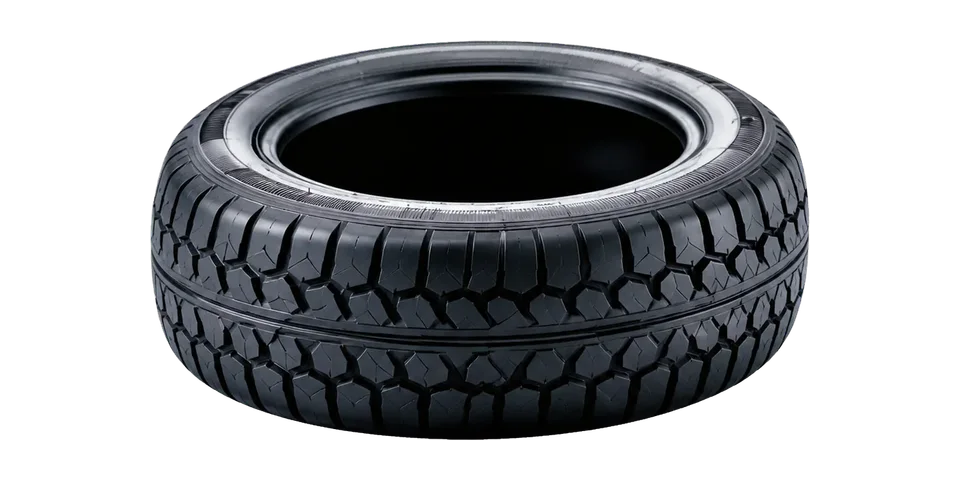
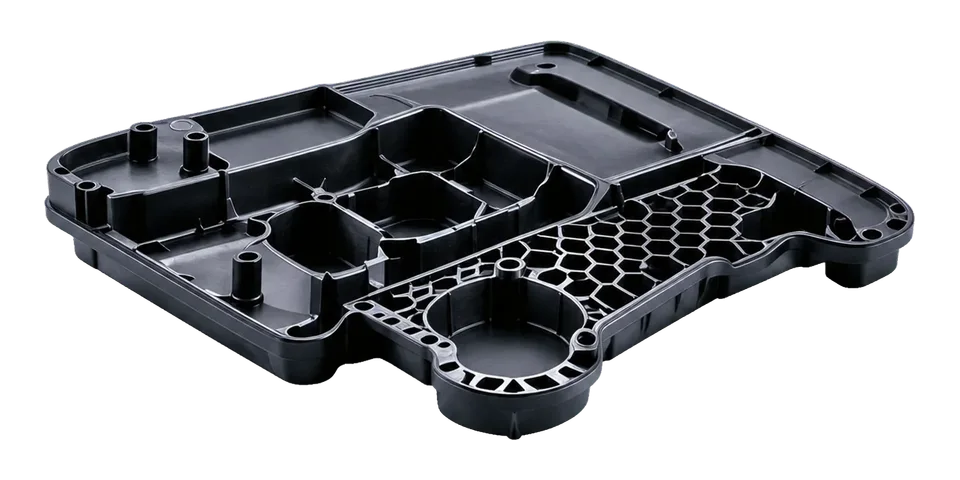
PA-6/PA-66
FocusFeedstock: Technical textiles, automotive components, e-waste housings.
Target outputs: PA-6/PA-66 precursors and chemical intermediates suitable for repolymerization.
More detail on the Applications page
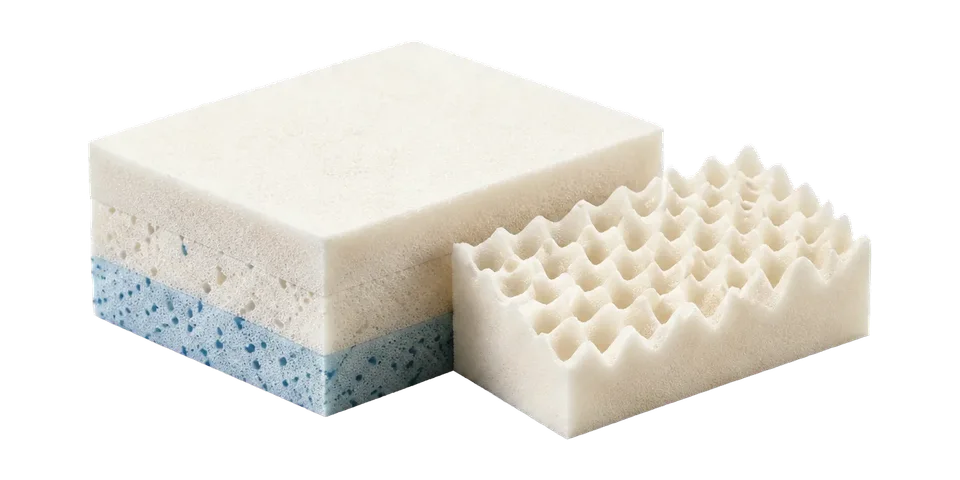
Polyurethane foams
FocusFeedstock: Post-consumer mattresses, appliance foams, flexible scraps.
Target outputs: Polyols and diols suitable for polyurethane manufacturing (target).
More detail on the Applications page
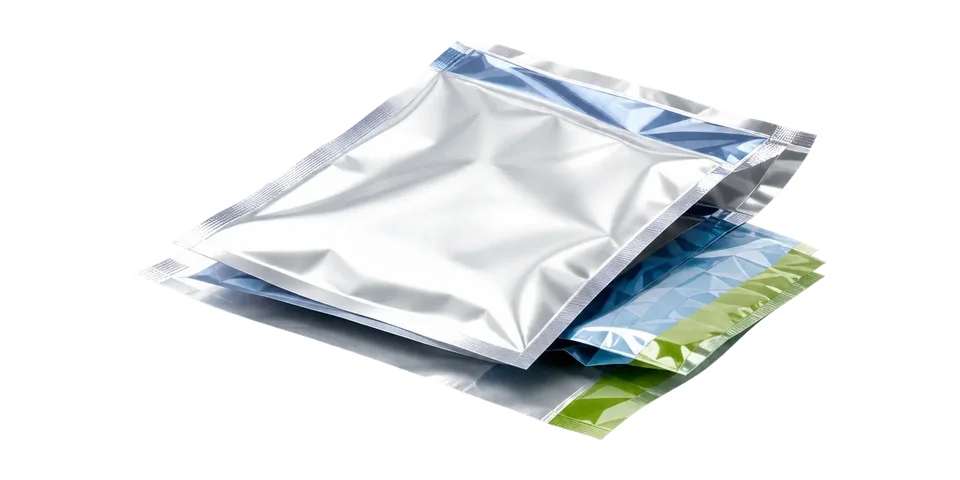
Multilayer films
FocusFeedstock: Food-grade barrier films, pouches, complex packaging.
Target outputs: Separated monomers from barrier and structural polymer layers.
More detail on the Applications page
Ready to collaborate
Partner with us on your toughest waste streams
Whether evaluating advanced recycling options for PA-66, polyurethane foams, or multilayer films, we collaborate with partners upon request to develop tailored solutions aligned with your infrastructure and product specifications.
Supported by